New Zealand, Oceania

Skyline New Zealand

Discover the Land of the Long White Cloud. From the volcanic peaks of the North Island to the dramatic fjords of the south, explore curated guides, seasonal insights, and practical tips for every kind of traveller.

8 Articles 25 min read Updated June 2026
Explore Articles
268,000 km2 Total Land Area
5.3 Million Resident Population
90+ Outdoor National Parks & Reserves
3.6 Million Annual Visitors

About This Guide

Your companion to New Zealand's remarkable landscapes

New Zealand is a land shaped by fire and ice, where towering mountain ranges rise abruptly from the sea, ancient forests cloak volcanic hillsides, and a rich indigenous culture meets a vibrant modern society. This guide brings together curated articles, practical advice, and seasonal insights to help you plan every leg of your journey.

Whether you are arriving for the adventure trails of the South Island, the geothermal wonders of Rotorua, or the cosmopolitan energy of Auckland, you will find a considered selection of content here — written for independent travellers who want to go beyond the obvious.

Browse All Guides
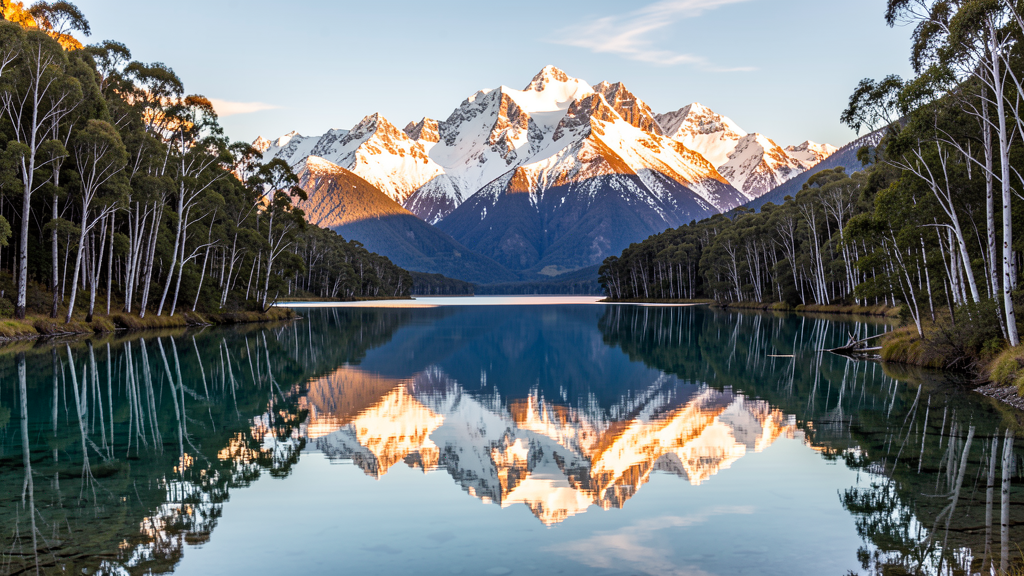
New Zealand mountain and lake scenery

Curated guides for every traveller

In-depth coverage across New Zealand's most compelling destinations, activities, and cultural experiences.

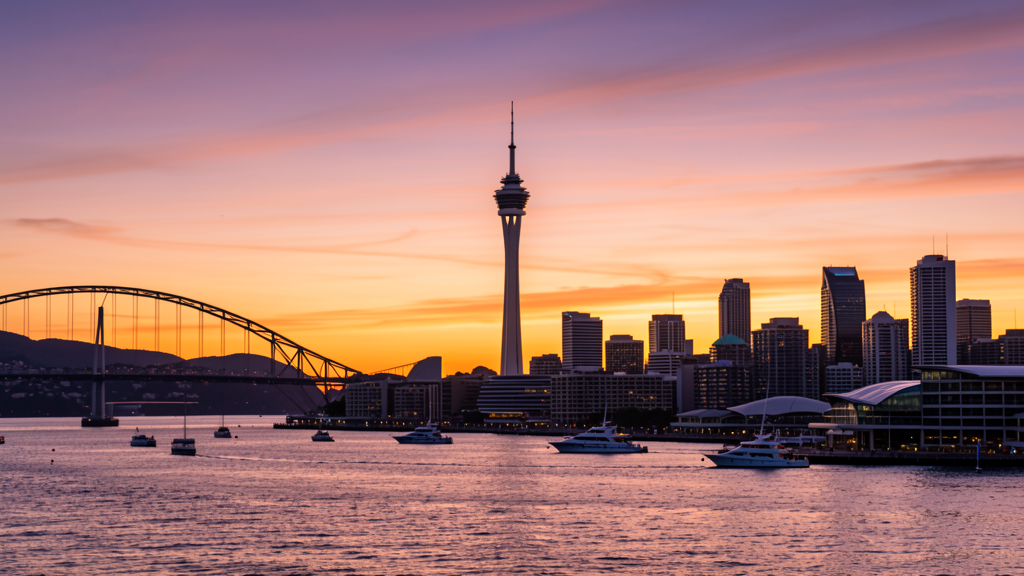
Auckland skyline at dusk with harbour

Auckland — New Zealand's Largest City

Auckland sits between two harbours on the North Island, blending Polynesian culture with a dynamic urban scene. Known as the City of Sails, it is the most populous metropolitan area in the country and the main international gateway for visitors arriving by air.

Queenstown lake and mountain scenery

Queenstown — Adventure Capital of the World

Nestled on the shores of Lake Wakatipu beneath the dramatic peaks of the Remarkables range, Queenstown has earned a worldwide reputation for adventure tourism. The town sits at the heart of one of the most scenically dramatic regions of the southern hemisphere.

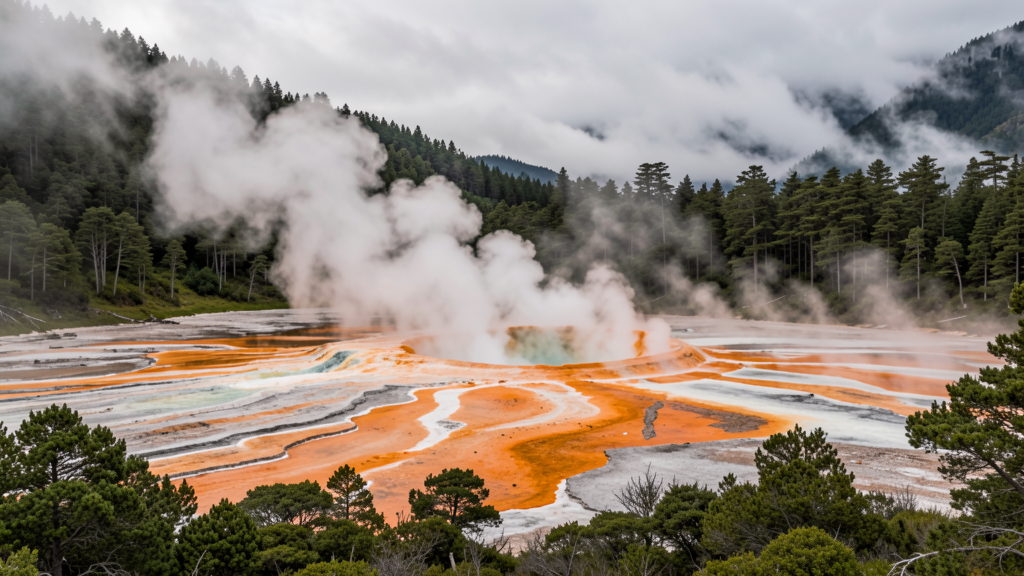
Rotorua geothermal activity with steam

Rotorua — Geothermal Wonders of the North Island

Rotorua sits squarely on top of the Pacific Ring of Fire, where the earth's crust is thin enough to let heat, steam, and mineral-rich water escape at the surface. The result is a landscape unlike anywhere else in New Zealand — active geysers, silica terraces, bubbling mud pools, and vivid crater lakes.

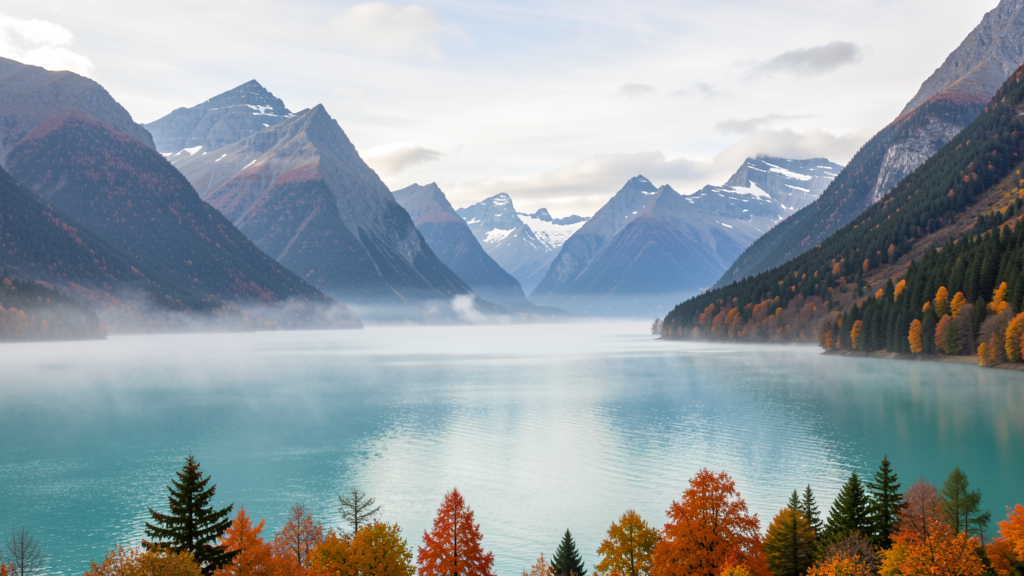
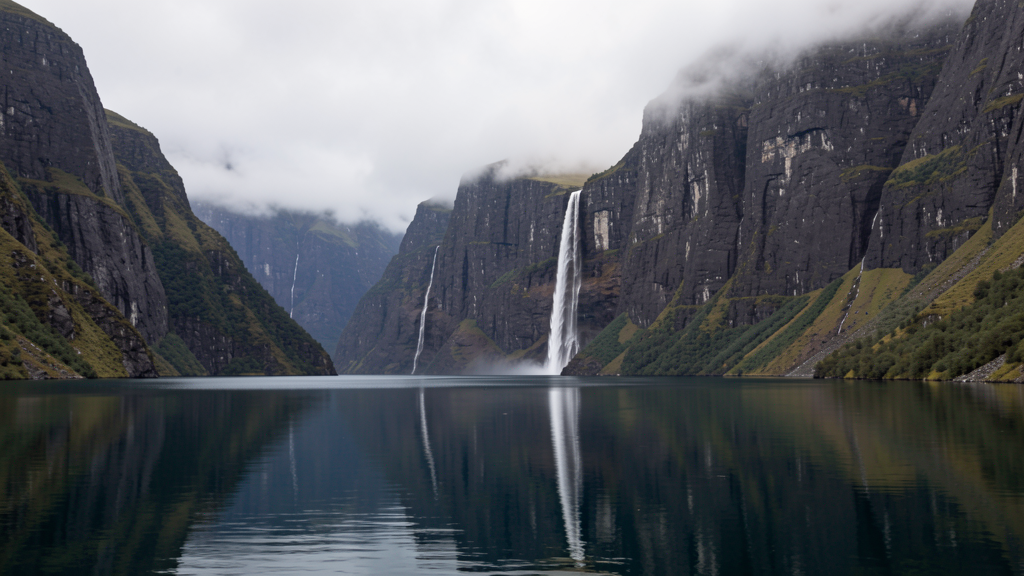
Milford Sound dramatic fjord landscape

Milford Sound — Fiordland's Crown Jewel

Milford Sound is often called the Eighth Wonder of the World, and for good reason. Carved by glacial activity over millions of years, this 16-kilometre fjord is flanked by sheer granite cliffs that rise over 1,200 metres from the dark waters below, with cascading waterfalls appearing with every rainfall.

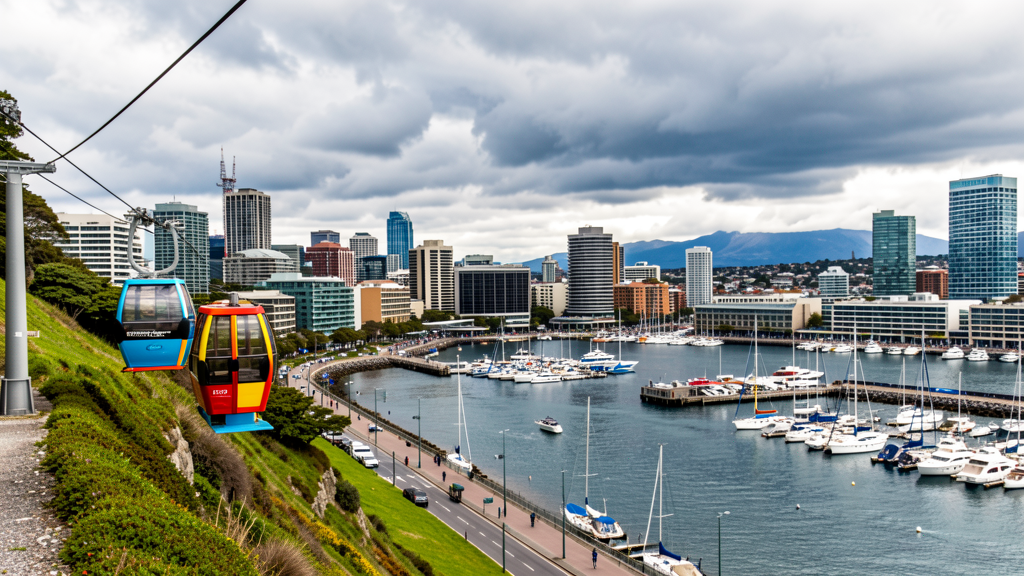
Wellington harbour with cable car and city

Wellington — The Cultural Heart of the Nation

Perched at the southern tip of the North Island on an extensive harbour, Wellington combines the energy of a capital city with the accessibility of a smaller town. Known for its arts scene, coffee culture, and compact walkable centre, it consistently ranks among of the world's most liveable cities.

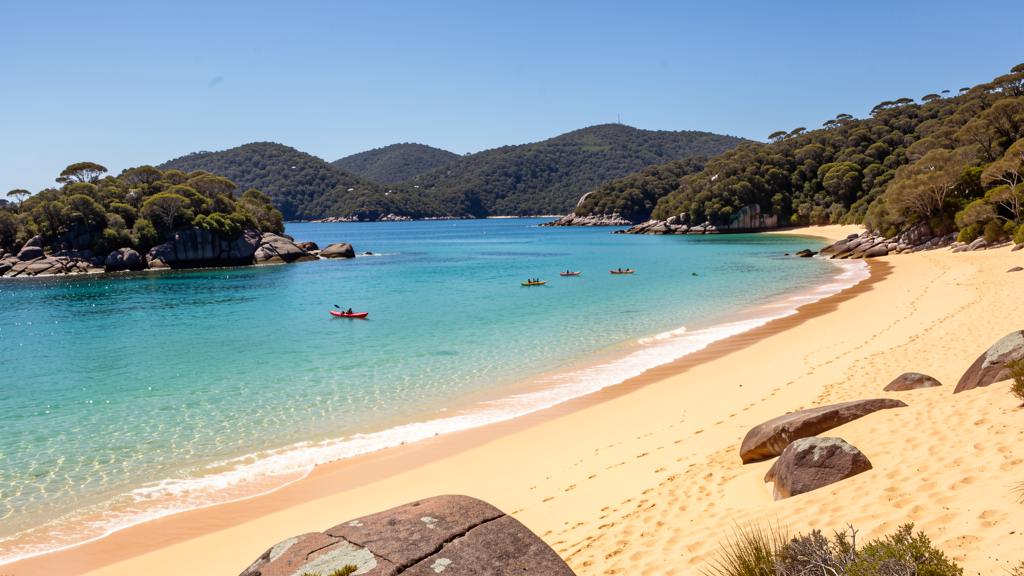
Abel Tasman golden beaches and turquoise water

Abel Tasman National Park — Coastal Paradise

New Zealand's smallest national park punches well above its weight in the beauty stakes. Abel Tasman stretches along the north coast of the South Island, defined by granite headlands, golden sand beaches, and water so clear it ranks among the most pristine coastal environments in the country.

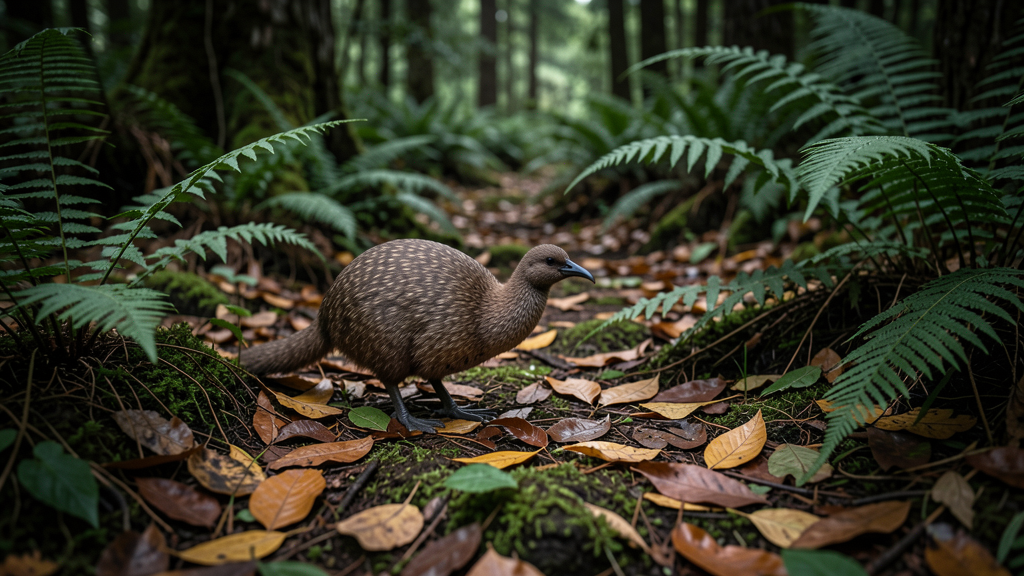
Kiwi bird in New Zealand forest

New Zealand Wildlife — Encounter the Unique

Isolated for 80 million years, New Zealand developed a wildlife population found nowhere else on earth. From the iconic flightless kiwi to the world's largest seabird, the albatross, the country's isolation produced a cast of characters as strange as they are fascinating.

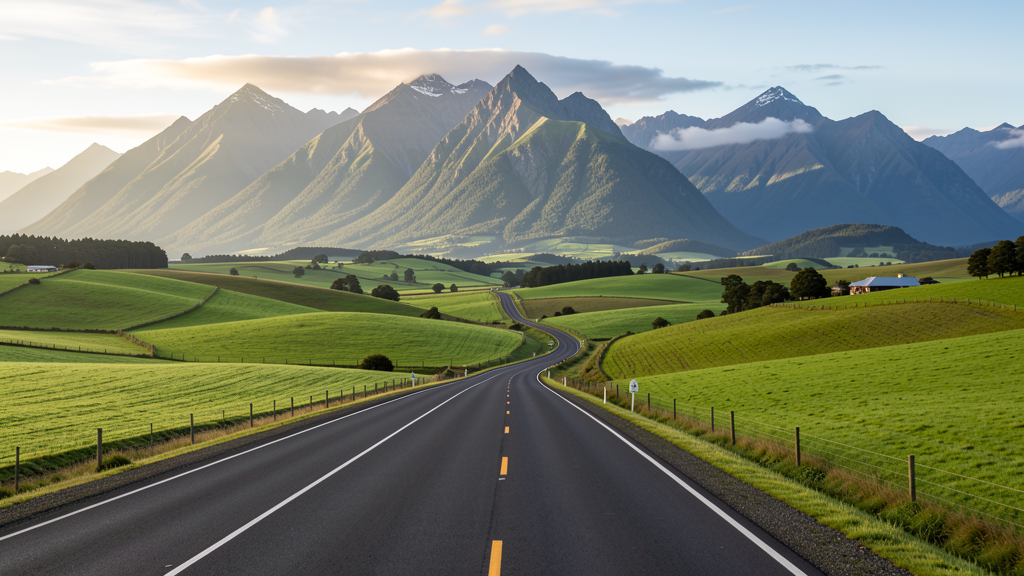
New Zealand scenic highway with mountains

Getting Around New Zealand — Road Trip Essentials

New Zealand's most rewarding experiences require leaving the beaten path, and that means getting behind the wheel. The country's road network, while well-maintained, presents challenges that even experienced drivers may not expect — from one-lane bridges in remote regions to gravel mountain passes that demand respect.

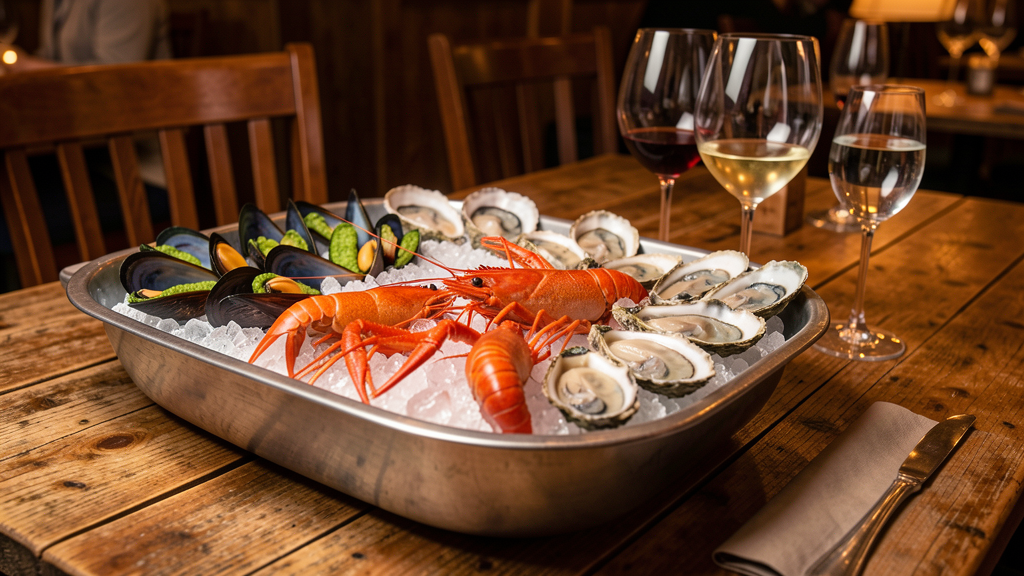
Fresh New Zealand seafood and wine

New Zealand Cuisine — From Farm to Table

New Zealand's food and wine scene draws from two distinct inheritances — the sustainable farming traditions of rural New Zealand and the rich culinary heritage of Maaori cuisine. Together with a thriving wine industry concentrated in regions like Hawke's Bay and Marlborough, the country's culinary identity is coming into its own.

Practical advice for a smooth trip

Best Time to Visit

December to February offers the warmest weather and longest days, perfect for outdoor adventures. March to May brings quieter trails and stunning autumn colours in the South Island.

Getting Around

Renting a car gives you the most freedom to explore. SH1 runs the length of both islands — allow extra time for winding mountain roads and one-lane bridges common in remote areas.

Budget Planning

New Zealand is mid-to-high range in cost. Budget approximately NZD 150-250 per day for hostel stays, self-catered meals, and fuel. Attractions and national parks often charge entry fees.

What to expect throughout the year

Spring
Sep — Nov
  • Wildflowers bloom across the Mackenzie Country
  • Fewer crowds at major tourist sites
  • Variable weather — snow still possible in mountains
  • Ideal for hiking before peak summer prices
Summer
Dec — Feb
  • Peak season — book accommodation well ahead
  • Long daylight hours, temperatures 20-30C
  • Best for beach, water sports, and alpine trails
  • School holidays drive prices and crowds
Autumn
Mar — May
  • Stunning beech forest colours in South Island
  • Mild temperatures, fewer tourists
  • Excellent for cycling and wine region visits
  • Advance booking less critical outside Easter
Winter
Jun — Aug
  • Ski season in Queenstown, Mt Hutt, and Ruapehu
  • Snow-capped landscapes, dramatic coastal storms
  • Lower accommodation prices outside ski fields
  • Short daylight hours — plan outdoor activities early

Common questions from visitors